
 Select Photos
Pet-friendly Greenery: Tropical Plants Safe for Cats and Dogs
IntroductionIn modern interior design, bringing nature indoors (Biophilic Design) not only purifies the air but also significantly improves mental health. However, for pet owners, choosing the right greenery is a delicate task. Many popular tropical plants, such as the ZZ Plant, Monstera, or Peace Lily, contain toxins that are dangerous to cats and dogs.
This article provides a curated list of "Pet-friendly Greenery"—vibrant tropical plants that are easy to care for and, most importantly, 100% safe for your four-legged friends.
Why Choosing Pet-Safe Plants Matters
Dogs and cats, especially kittens and curious felines, often have an instinct to chew on leaves to supplement fiber or simply out of boredom. According to veterinary organizations, plant poisoning is a leading cause of pet emergencies.
Common symptoms of toxicity include:
- Oral irritation and swelling of the tongue.
- Vomiting and diarrhea.
- Difficulty breathing or kidney failure (especially dangerous in cats).
Selecting plants listed as non-toxic by the ASPCA (American Society for the Prevention of Cruelty to Animals) is the best way to enjoy a green home with peace of mind.
Top Tropical Plants Safe for Cats and Dogs
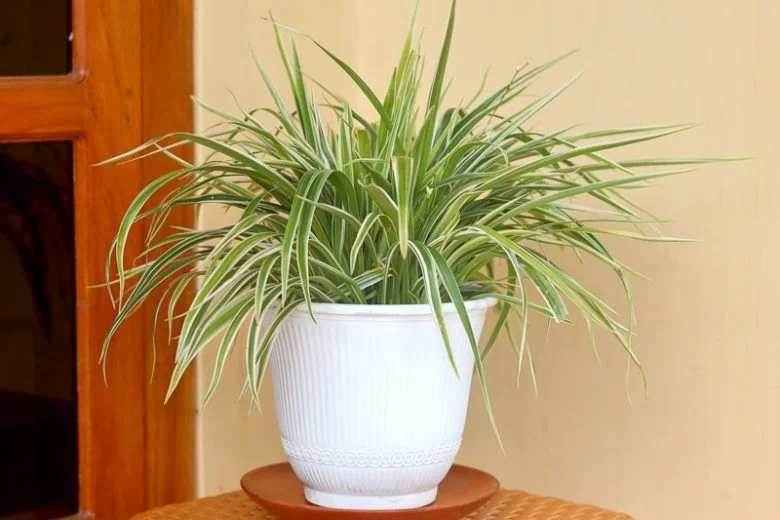
1. Spider Plant (Chlorophytum comosum)
The Spider Plant is a superstar of indoor gardening, known for its ability to filter formaldehyde and xylene from the air.
- Features: Long, slender, green-and-white striped leaves that arch downward like spider legs.
- Safety: Completely non-toxic. In fact, cats often find the dangling plantlets irresistible to play with.
- Care: Thrives in indirect light and tolerates occasional dry soil.
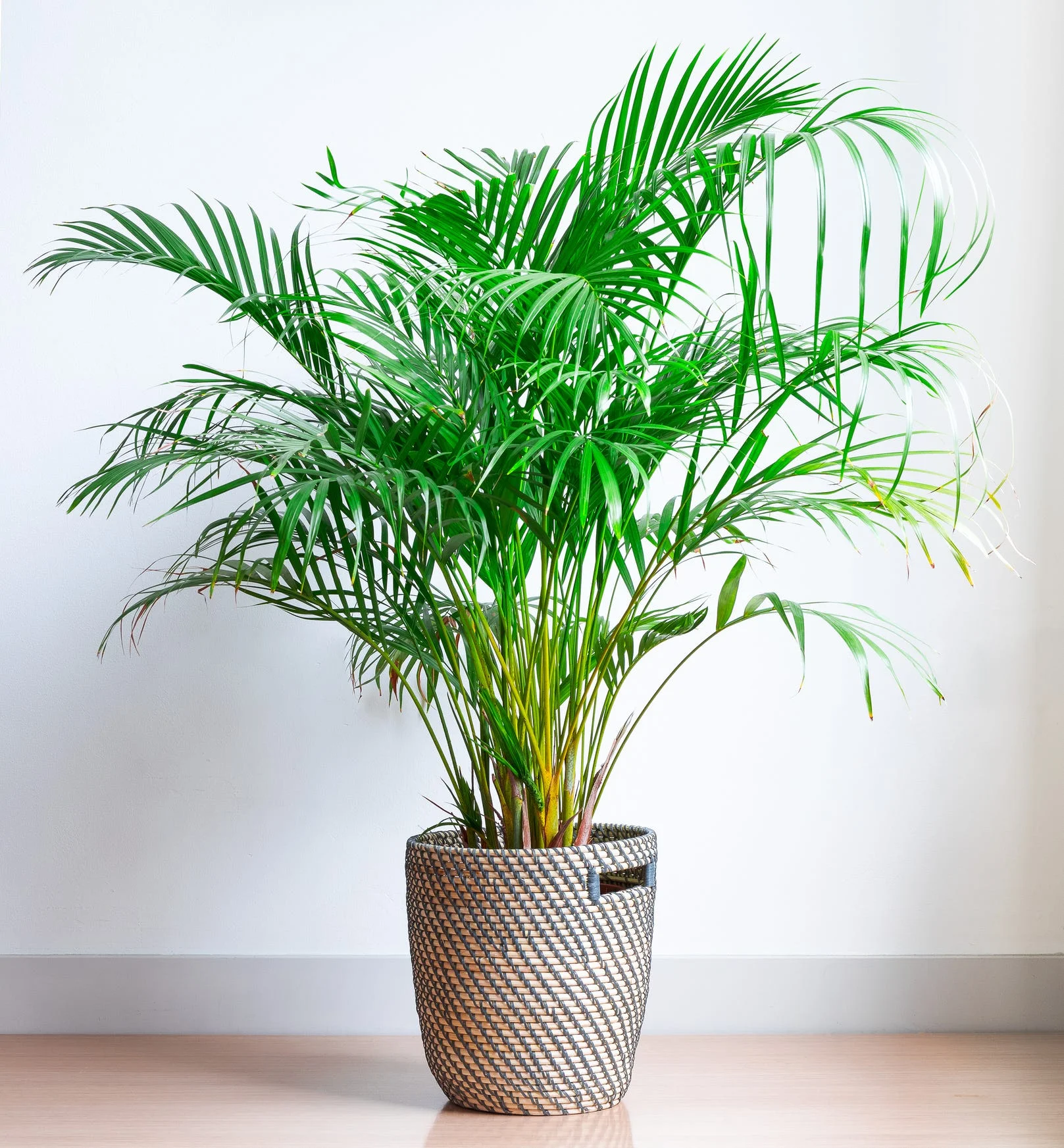
2. True Palms (Areca & Parlor Palms)
It is vital to distinguish between safe palms and the Sago Palm (which is highly toxic). The following are excellent pet-safe choices:
- Areca Palm: Large, feathery fronds that act as a natural humidifier.
- Parlor Palm: Compact and slow-growing, perfect for desks or bookshelves.
- Safety: Does not contain substances that harm a pet's digestive system.
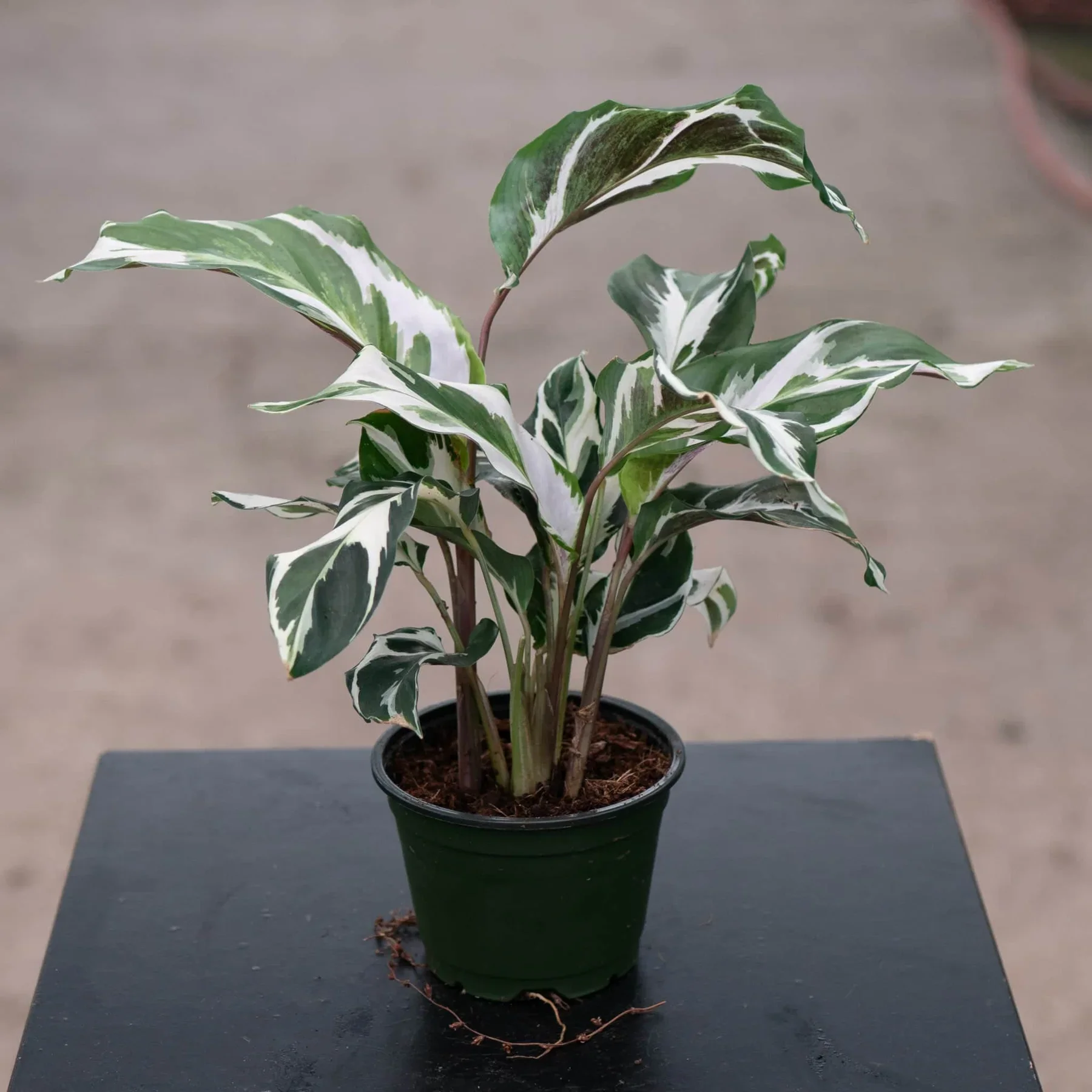
3. Calathea (Prayer Plants)
If you love artistic foliage, the Calathea family is your best bet.
- Features: Leaves feature intricate patterns that look hand-painted. Interestingly, the leaves fold up at night (hence the name "Prayer Plant").
- Safety: Entirely safe for both dogs and cats.
- Care: These plants prefer high humidity and filtered water, as they can be sensitive to fluoride in tap water.
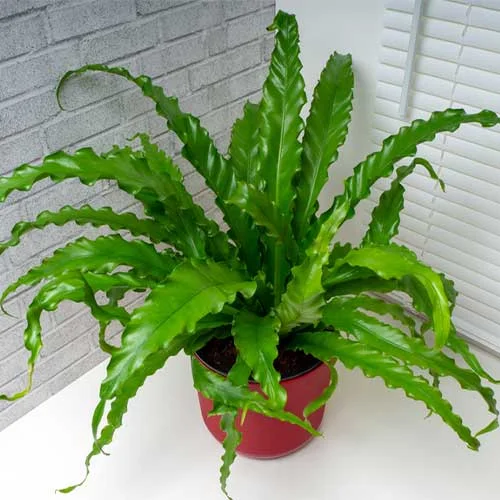
4. Bird’s Nest Fern (Asplenium nidus)
Unlike some fern species that can be irritating, the Bird’s Nest Fern is a pet-friendly tropical staple.
- Features: Large, bright green, ripple-edged fronds that grow from a central rosette resembling a bird's nest.
- Safety: Non-toxic.
- Care: Ideal for bathrooms or low-light corners with high humidity.
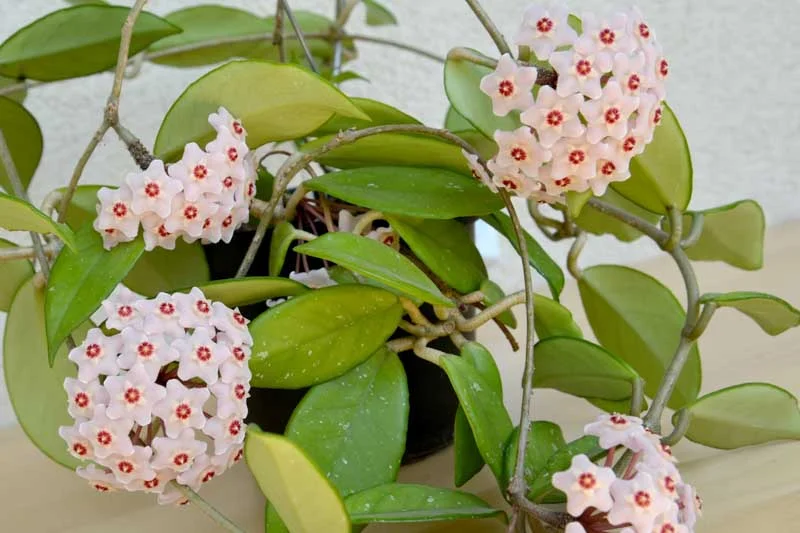
5. Hoya Carnosa (Wax Plant)
A stunning tropical climber with clusters of fragrant, star-shaped waxy flowers.
- Features: Thick, succulent-like leaves that store water well.
- Safety: Listed as non-toxic by the ASPCA.
- Care: Requires bright, indirect light to bloom and prefers to dry out between waterings.
Quick Reference Comparison Table
- Spider Plant | Light: Medium | Water: Low | Key Benefit: Excellent air purifier
- Areca Palm | Light: High (Indirect) | Water: Medium | Key Benefit: Tropical aesthetic, adds humidity
- Calathea | Light: Medium/Low | Water: High | Key Benefit: Highly decorative patterns
- Bird’s Nest Fern | Light: Low | Water: High | Key Benefit: Best for humid, dark spaces
- Hoya | Light: High | Water: Low | Key Benefit: Fragrant flowers, easy to maintain
Tips for Pet-Proofing Your Indoor Garden
Even with non-toxic plants, excessive ingestion of fiber can cause mild stomach upset. To protect both your plants and your pets, consider these tips:
- Use Hanging Planters: Keep plants like the Spider Plant or Hoya out of reach by hanging them from the ceiling.
- Provide Cat Grass: Grow a small pot of wheatgrass or catnip to satisfy your pet's craving for greens, steering them away from your decorative plants.
- Use Natural Deterrents: Cats dislike the scent of citrus. Placing dried orange peels in the soil can keep curious paws away.
- Elevate on Shelves: Utilize high bookshelves or plant stands that are inaccessible to jumpy pets.
Conclusion
Creating a pet-friendly tropical oasis is achievable with the right plant selection. By choosing species like the Spider Plant, Parlor Palm, or Calathea, you can beautify your home while ensuring the safety of your beloved companions. A safe green space reduces stress for you and provides a healthy environment for your pets to thrive.
#PetFriendlyPlants #SafeGreenery #TropicalHouseplants #CatSafePlants #DogSafePlants #IndoorJungle #BiophilicDesign
Likes
Comment